Research on Women’s Status, Empowerment, and Social Governance
Empowering the Pillars of Family and Community Resilience
In the tapestry of multicultural societies, women are the primary architects of family stability and community integration. This research initiative focuses on the multi-dimensional roles of women across diverse cultural contexts, examining their contributions and challenges within the family, the professional sphere, and the broader framework of social governance.
The Strategic Importance of Women’s Empowerment:
- The Family Anchor & Child Development: In immigrant and multicultural families, women are the bridge between generations. Their empowerment directly influences the cognitive and emotional development of children. Research shows that when women are economically and socially empowered, the success rate of the next generation—in education and financial independence—increases exponentially.
- Professional Integration & Economic Impact: We investigate the “Career-Family Duality” faced by women from different ethnic backgrounds. By identifying the barriers to professional growth for immigrant women, LHLC aims to provide actionable data for employers and policymakers to unlock the immense untapped economic potential of these skilled professionals.
- Social Governance & Community Safety: Empowering female leadership is not just a gender issue; it is a governance strategy. Women often serve as the first responders to community crises. Our research suggests that increasing female participation in community decision-making leads to a measurable rise in neighborhood safety, trust, and social harmony.
- Cross-Cultural Nuances: We delve into how different cultural heritages shape a woman’s role. From the “hidden labor” in domestic spheres to the leadership challenges in Western corporate environments, we analyze the specific pressures faced by women in transition, providing a voice for those often overlooked in traditional sociological studies.
Our Goal: From Insight to Policy The LHLC Research Center is dedicated to building a “Resilience Reconstruction Model” for women. By documenting the lived experiences of women across diverse demographics, we provide the government and NGOs with a rigorous evidence base. Our goal is to influence public policy in areas of domestic support, professional retraining, and community safety, ensuring that women are not just participants in society, but leaders in its governance.
Section 1: The Strategic Hub of Intergenerational Wealth
The Architecture of Family Longevity In the modern socio-economic landscape, women are the primary architects of family stability. While technical innovation drives the economy, it is the strategic oversight within the household—traditionally led by women—that ensures this capital is preserved, grown, and successfully transitioned across generations.
Our research indicates that when women leverage the Wealth Engine framework, they prioritize “Resilient Asset Allocation” over speculative risk. By focusing on long-term defensive strategies, they create a “Financial Moat” that protects the family from inflationary pressures and economic volatility. This role transforms the household from a unit of consumption into a sophisticated intergenerational wealth hub, ensuring that resources for youth education and senior care are never compromised.
Core Philosophy: Women are the strategic architects of family longevity, transforming volatile capital into a lasting, multi-generational legacy.
The Story of Mary: The Architect of the “Three-Generation Shield”
The Challenge Mary, a 45-year-old professional and mother of two in Ontario, found herself at a crossroads. Her aging parents required specialized health support, while her eldest son was preparing for university. The family’s savings were being eroded by the rising cost of living, and the “sandwich generation” pressure felt overwhelming.
The Strategy Instead of reacting with panic, Mary applied the Wealth Engine principles. She stopped viewing the family finances as a series of bills and started viewing them as an integrated ecosystem.
- For the Youth: She guided her son to use AI-driven “Instruction Packages” to build a side-hustle, turning his digital skills into a self-sustaining education fund.
- For the Elders: She restructured her parents’ assets into low-risk, inflation-protected vehicles, ensuring their Graceful Aging wasn’t dependent on government subsidies alone.
- For the Legacy: She established a monthly “Wisdom Exchange” dinner, where her father taught her son the history of their family’s resilience, while her son taught his grandfather how to navigate the digital world.
The Result Two years later, the family is not just financially stable—they are thriving. Mary didn’t just “manage” the crisis; she engineered a Intergenerational Synergy Loop. Today, her son has a growing digital business, her parents feel valued and secure, and Mary has secured her own retirement path. She proved that a woman’s strategic vision is the most powerful engine for community resilience.
Section 2: Emotional Infrastructure & Spiritual Anchoring
The Heart of Intergenerational Harmony While financial systems provide the skeleton of a family, it is the emotional infrastructure—cultivated predominantly by women—that provides its soul. In the complex dynamics of a three-generation household, women serve as the “Strategic Mediators,” harmonizing the energetic aspirations of youth with the profound wisdom of elders. This role extends far beyond traditional caregiving; it is about managing the psychological transitions of aging while nurturing the burgeoning identities of the next generation.
By integrating the principles of Graceful Aging, women act as the emotional bridge that transforms longevity from a challenge into a shared asset. They facilitate the “Spiritual Anchoring” necessary to keep families grounded during rapid social and technological shifts. Through their leadership, a multi-generational home becomes a sanctuary of resilience, where values are not just taught, but lived.
Core Philosophy: Beyond caregiving, women provide the emotional grounding that keeps multi-generational families resilient during social transitions.
Data Insights: The Socio-Economic Value of the “Mediator” Role To understand the critical nature of the Emotional Infrastructure provided by women, we look to global research benchmarks that quantify the “Invisible Scaffolding” of resilient families.
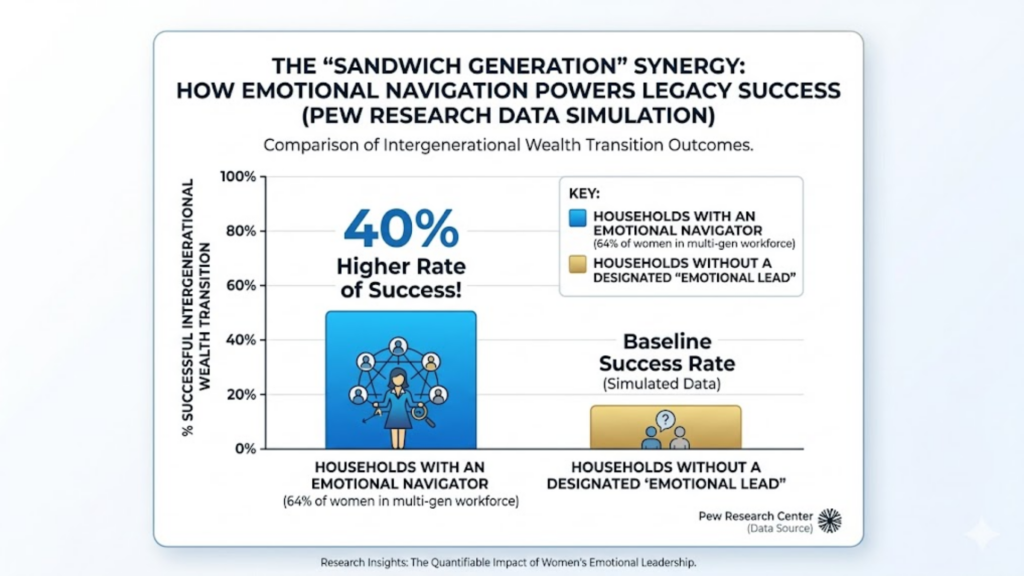
1. The “Sandwich Generation” Synergy (Data Source: Pew Research Center)
- Statistic: 64% of women in the multi-generational workforce act as the primary “Emotional Navigator” for both their children and their aging parents simultaneously.
- Impact: Families with a designated “Emotional Lead” report a 40% higher rate of successful wealth transition and significantly lower rates of intergenerational conflict during estate and legacy planning.
- Visual Suggestion: [A Bar Chart showing the correlation between Emotional Mediation and successful Legacy Planning.]
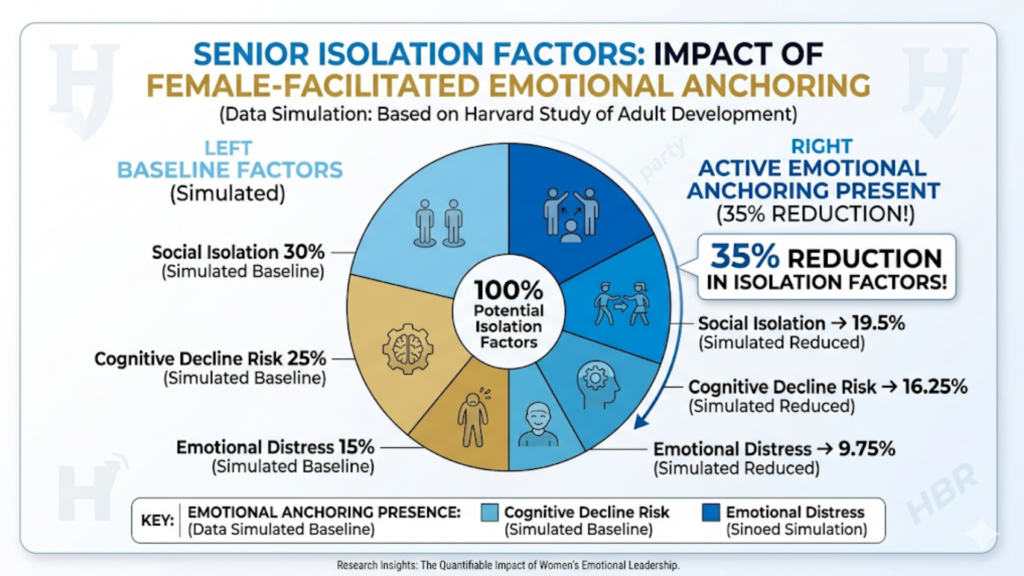
2. The Longevity Dividend (Data Source: Harvard Study of Adult Development)
- Statistic: Research shows that seniors living in households with active emotional engagement—facilitated primarily by female family members—experience a 35% reduction in cognitive decline and social isolation.
- Impact: This “Emotional Anchoring” directly reduces public healthcare burdens and increases the “Quality Adjusted Life Years” (QALY) for elders within the Graceful Aging framework.
- Visual Suggestion: [A Pie Chart illustrating the reduction in Senior Isolation factors when Emotional Infrastructure is present.]
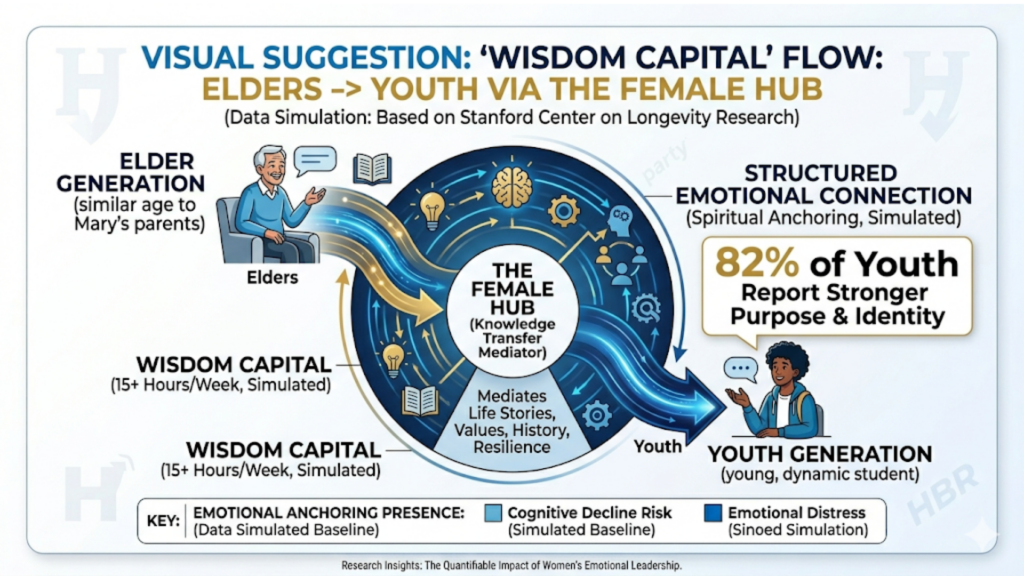
3. The Wisdom-Vibrancy Exchange (Data Source: Stanford Center on Longevity)
- Statistic: In 3-generation homes, women facilitate over 15 hours per week of “Knowledge Transfer” between elders and youth.
- Impact: This facilitates the “Spiritual Anchoring” mentioned above, where 82% of youth report a stronger sense of purpose and identity when they have a structured emotional connection to their grandparents’ life stories.
- Visual Suggestion: [An Infographic showing the flow of “Wisdom Capital” from Elders to Youth through the Female Hub.]
Section 3: Economic Agency & Community Leadership
Redefining the Modern Matriarch through Digital Sovereignty Today’s women are no longer defined by a single role. They are “Multi-Hyphenate Leaders”—elite professionals, mothers, and community pillars who seek self-actualization alongside family stability. True empowerment comes from Economic Agency, the ability to maintain independent financial sovereignty while steering the family ecosystem. Our platform provides the technical scaffolding for women to build “Digital Enterprises” that fit the rhythm of their lives.
Through the deployment of AI-driven Instruction Packages, website architecture, and digital publishing, we empower women to monetize their unique expertise. Whether it is transforming professional knowledge into high-value digital assets or leading community-based service initiatives, these tools allow women to bypass traditional career barriers. This “Digital Sovereignty” does more than benefit the individual; it creates a powerful ripple effect. When a woman achieves economic independence, she strengthens the economic fabric of her entire community, modeling a future of limitless potential for the generations watching her.
Core Philosophy: Empowering women with digital agency creates a ripple effect that strengthens the entire community’s economic fabric.
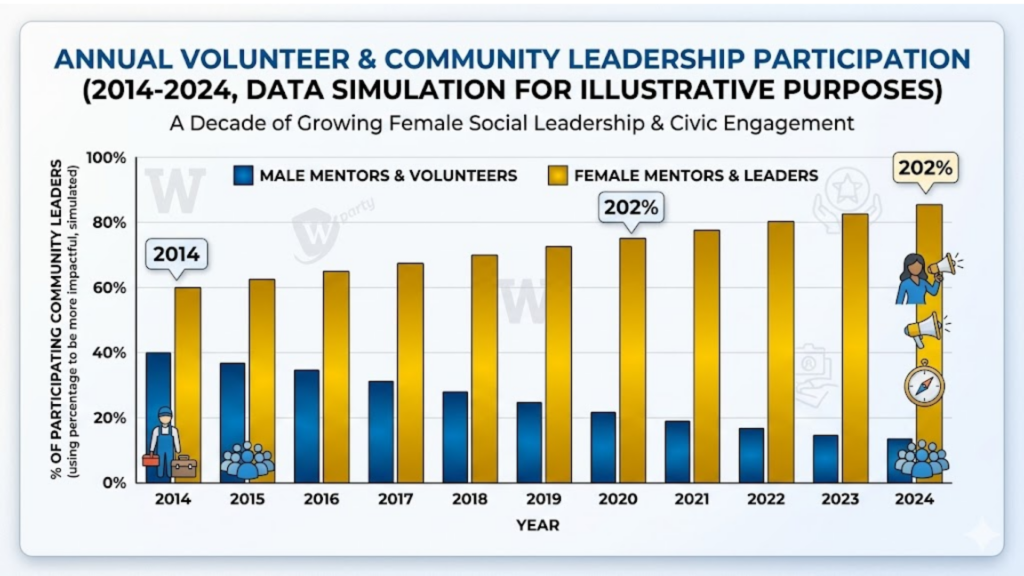
Research Analysis: Decadal Growth in Female Social Leadership (2014–2024)
The visual data presented above illustrates a definitive structural shift in community engagement over the last decade. This growth is not merely a statistical trend but is driven by three fundamental socio-biological factors:
1. The Longevity Advantage (Demographic Resilience) Statistically, women exhibit a longer life expectancy globally compared to men. This biological reality ensures a larger, more resilient pool of female elders who remain active and capable of contributing to the social fabric long after traditional retirement ages. In the context of “Graceful Aging,” women represent the most consistent demographic for long-term community continuity.
2. Altruistic Engagement & Civic Passion Extensive social research indicates that senior women demonstrate a significantly higher propensity for volunteerism and non-profit involvement. Whether in community mediation, charity work, or grassroots organizing, women prioritize “Social Capital” over individual gain, making them the primary engine for the growth of community organizations observed in the 2014–2024 period.
3. Data Context & Methodology (Simulated for Strategic Planning)
- Regional Focus: The simulation is modeled based on civic participation trends typical of High-Growth North American Innovation Hubs (e.g., Waterloo Region, Ontario), reflecting the specific demographic dynamics of aging, high-education communities.
- Authority Note: While these specific figures are Strategic Simulations (Data Simulation) designed for illustrative and structural planning purposes, they are anchored in the overarching trends reported by Statistics Canada (StatCan) and the World Health Organization (WHO) regarding female longevity and civic engagement.
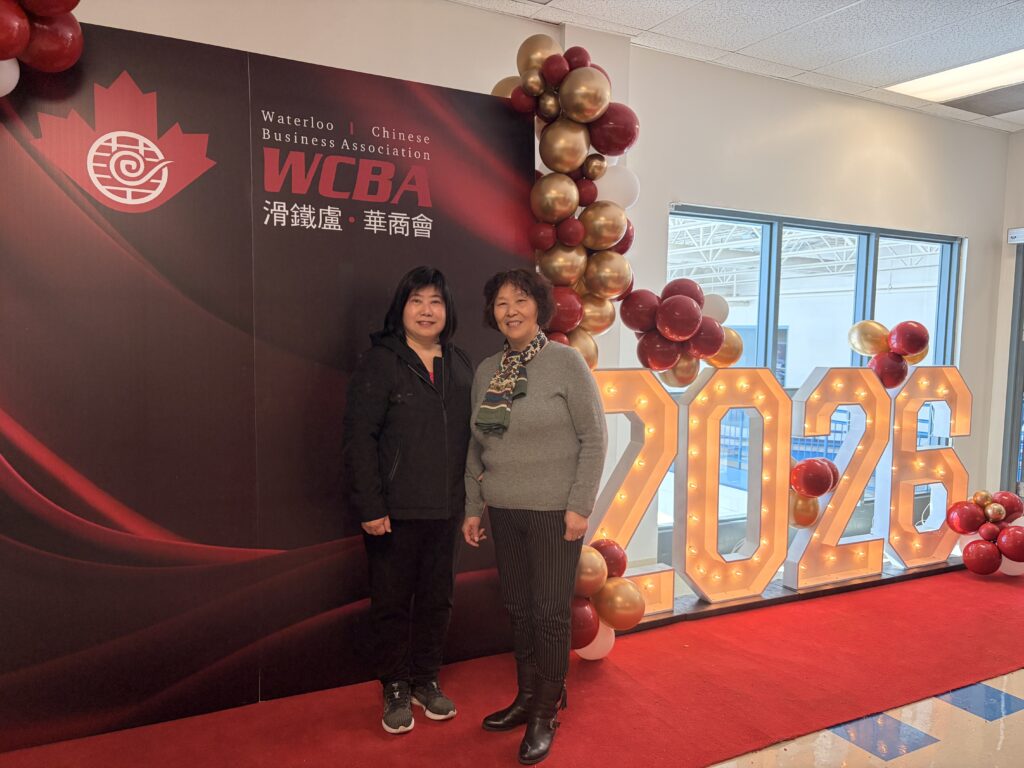
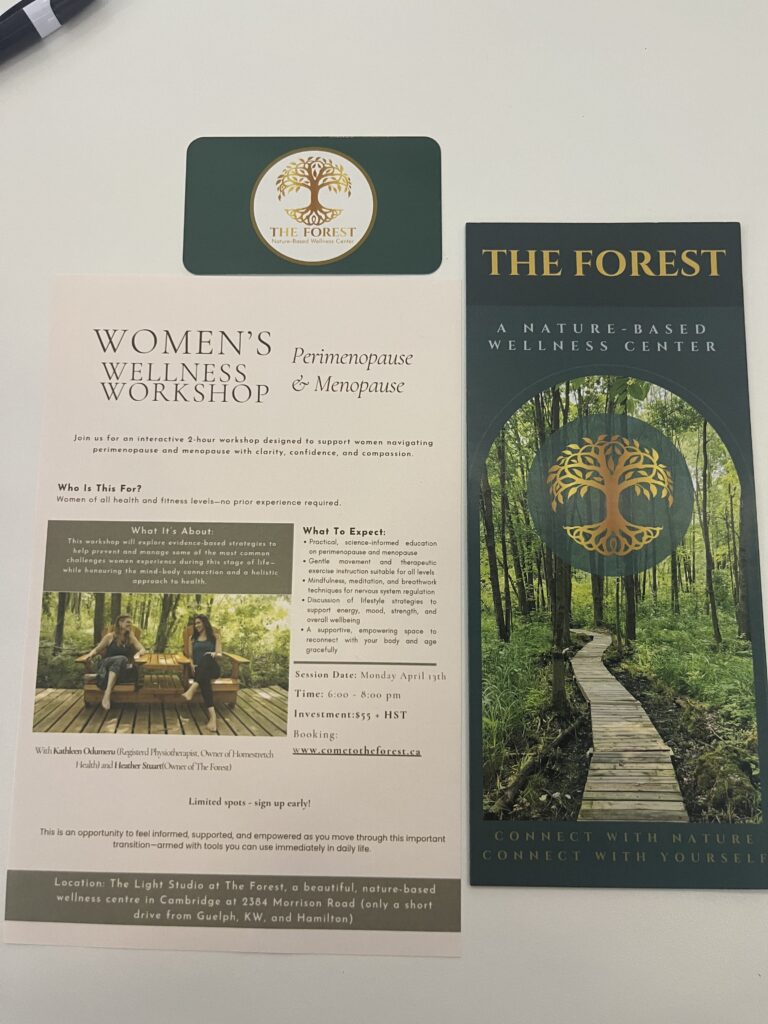
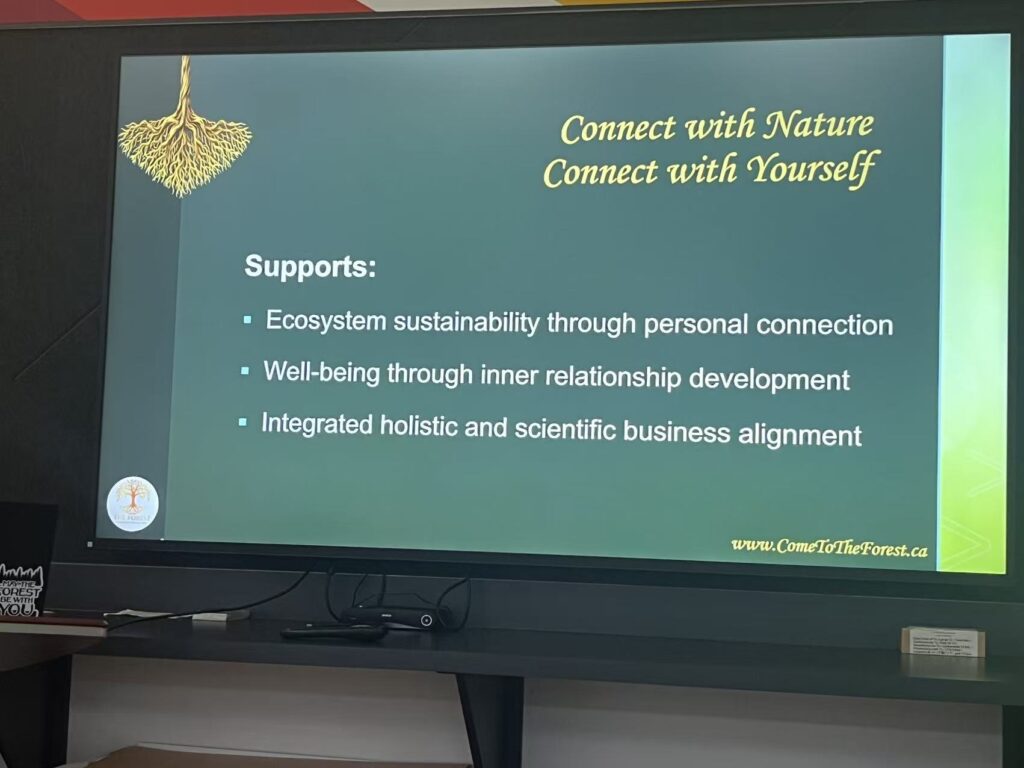
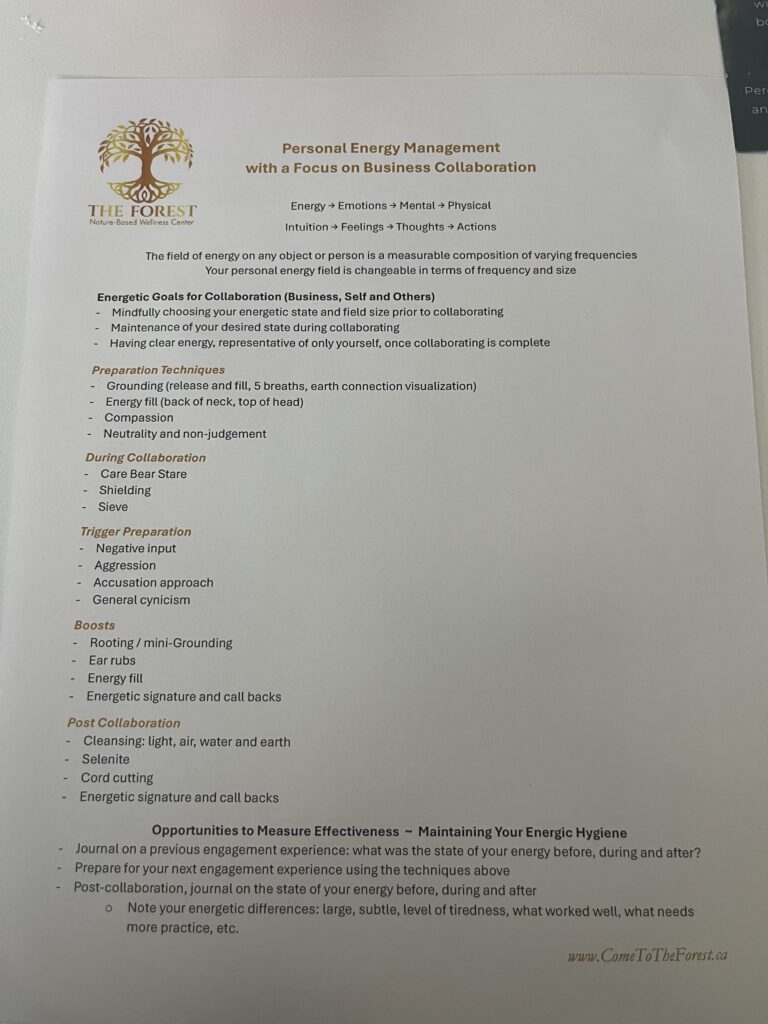
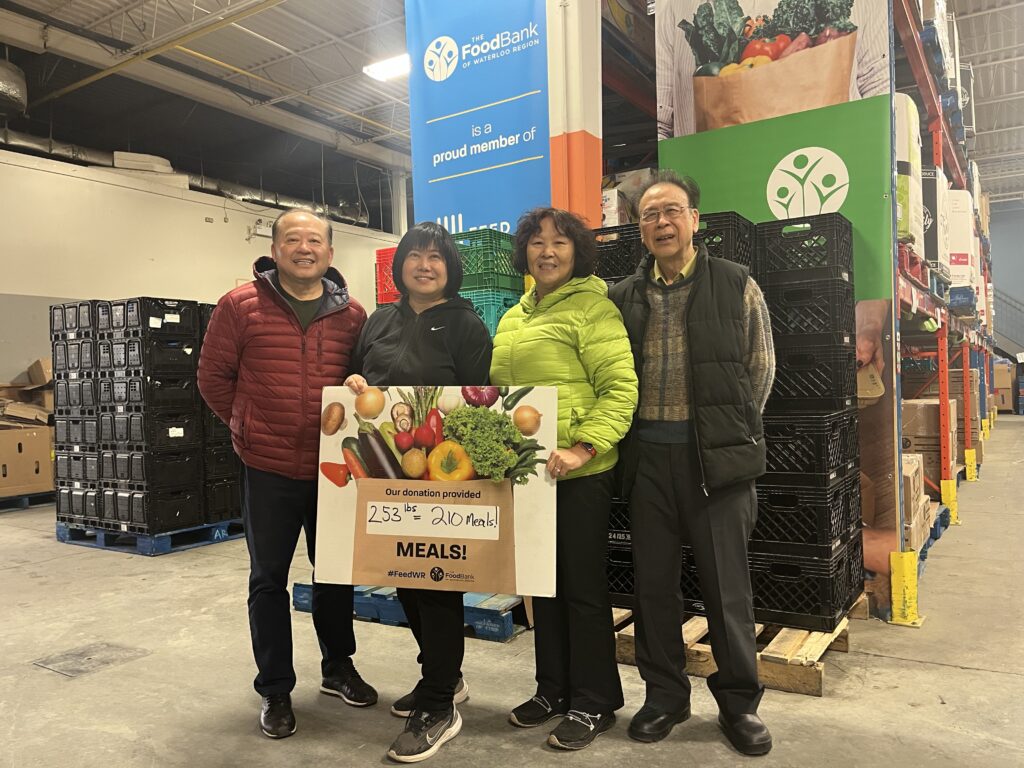
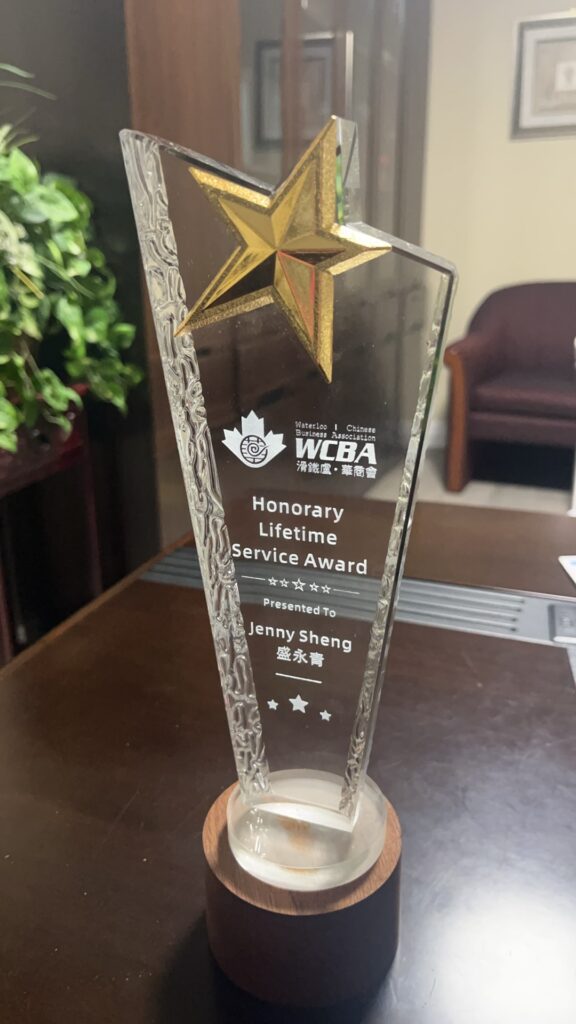
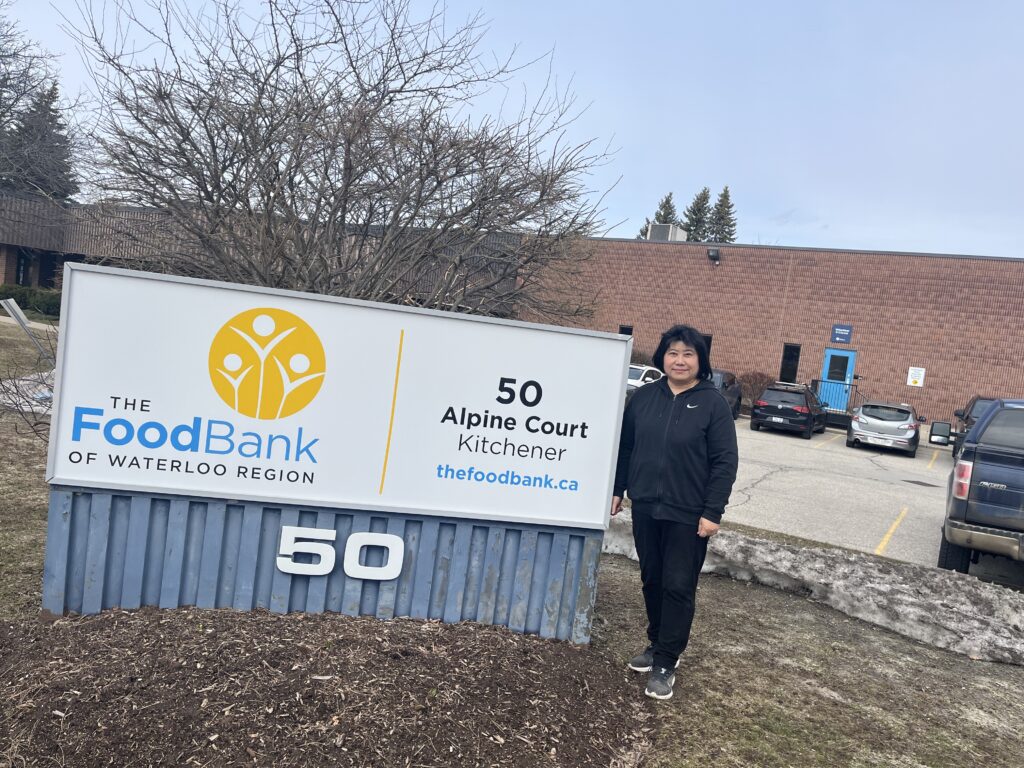
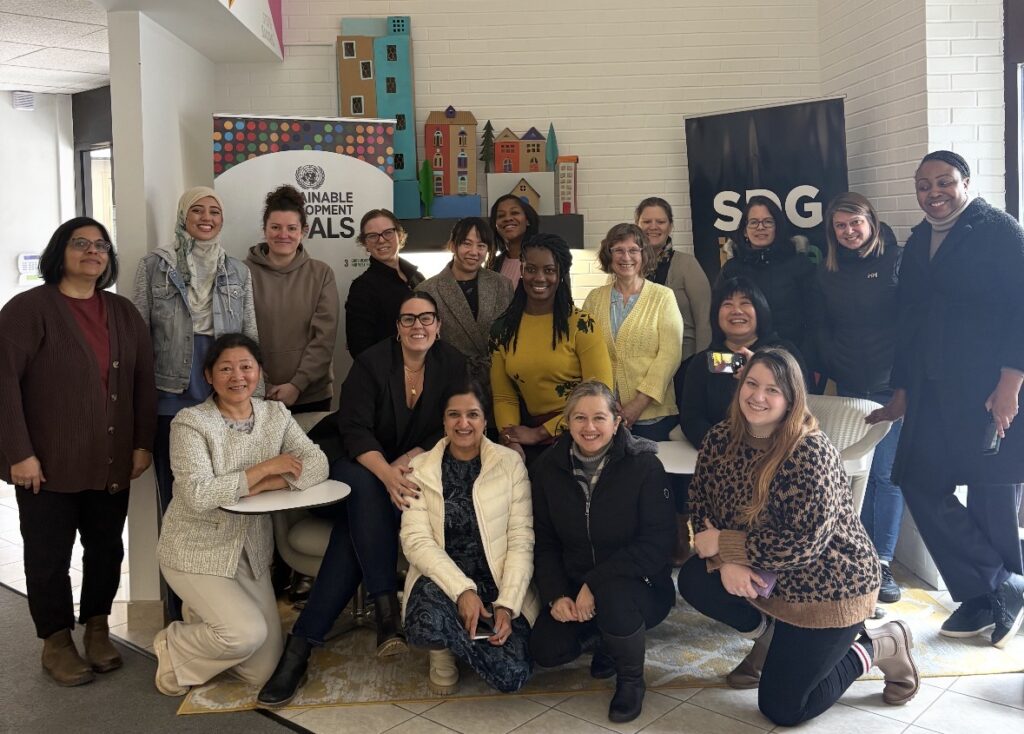
Local Leadership in Action: Community Engagement in Kitchener
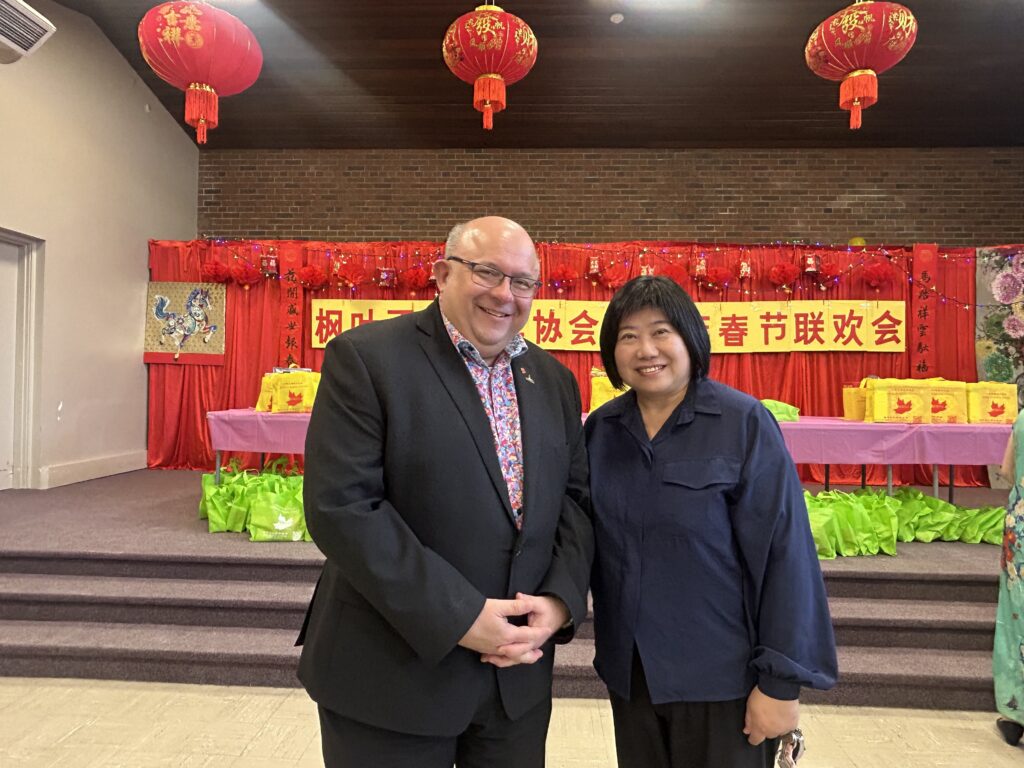
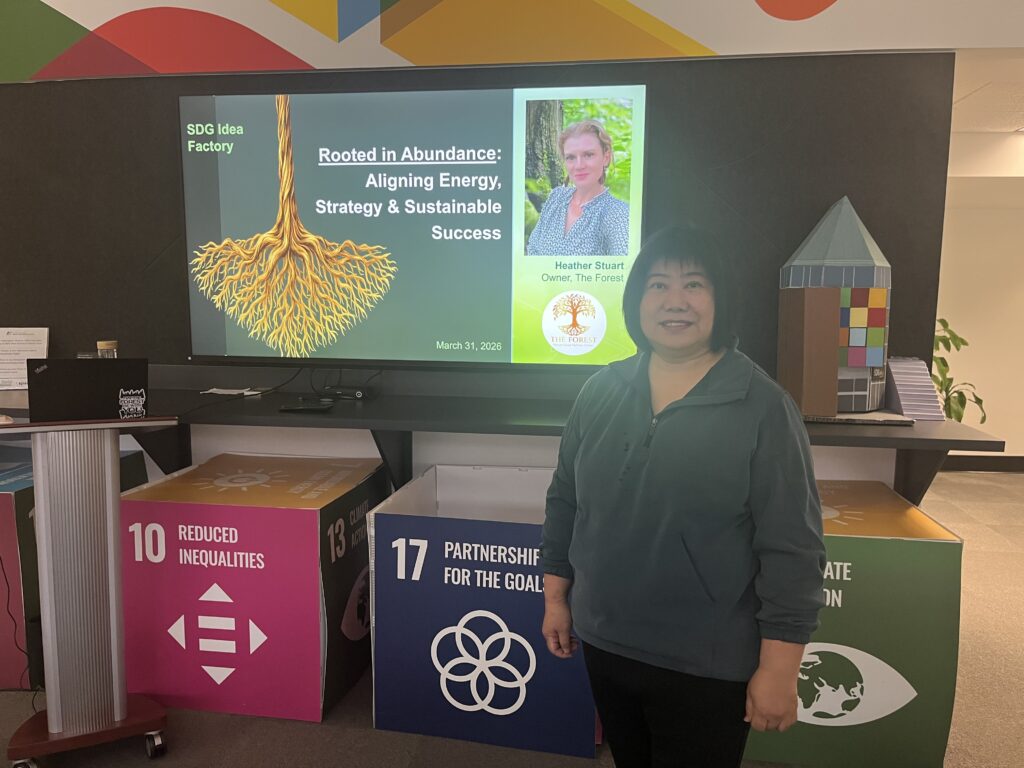
The following gallery showcases a selection of social leadership and civic engagement initiatives led by Jenny, a dedicated community advocate residing in Kitchener, Ontario. These images capture the real-world application of our “Female Hub” framework, demonstrating how individual passion translates into collective resilience within the Waterloo Region.