Healing Arts & Support Sanctuary
Section I: Music & Sound Therapy
“Sound is not just heard; it is felt by the soul.” Our research focuses on the empirical effects of music and acoustic frequencies on cognitive health. By integrating curated compositions designed to alleviate the symptoms of Dementia and Parkinson’s, we provide a non-invasive pathway to mental clarity and emotional peace. This section bridges the gap between neurological science and the rhythmic beauty of our 12-volume literary collection.
Nature has already provided the remedy; we just got used to reaching for the medicine cabinet first.
Many people think music is just for entertainment, but in medical and neuroscientific research, music has long been recognized as a quantifiable, prescribable “non-pharmacological therapy.”
Sound has frequencies, and the brain has rhythms. When the two align, unexpected healing effects may occur.
Imagine this: When you have a headache, instead of reaching for a painkiller, you put on headphones and listen to a specially designed low-frequency soundscape; or on an anxious, sleepless night, you play a 432Hz harp melody, as if someone is gently patting your back and saying, “You can rest now.”
We have compiled the most scientifically grounded sound therapy protocols currently available globally, drawing from clinical trials in Europe and America to traditional Asian therapies, and have developed a comprehensive audio prescription chart tailored to specific symptoms:
Music Therapy Secrets: The World’s Best Frequency Prescriptions Revealed
| Health Issues | Western Approach | Asian Modified Version | Mechanism of Action |
| Chronic Pain | 432Hz harp music | Five-tone therapy (Gong, Shang, Jue, Zhi, Yu) | Stimulates endorphin secretion to alleviate neuropathic pain |
| Anxiety Disorder | Binaural beats (8-13Hz) | Singing Bowl Resonance Therapy | Brain waves enter the alpha wave (relaxation) state |
| Cognitive impairment | Playing songs from a specific era (personalized playlist) | Opera melodies to awaken memories | Activating the hippocampus to slow memory decline |
These solutions may seem simple, but they are actually backed by scientific research. For example, 432Hz is known as the “natural frequency,” which resonates more easily with human cells than the commercially used 440Hz. Many European patients with chronic conditions have reported significant reductions in mood and pain after listening to harp music at this frequency. Asian pentatonic therapy, which originated in the Huangdi Neijing (The Yellow Emperor’s Classic of Internal Medicine), uses five tones mimicking natural sounds to harmonize the rhythms of the five major organs. This practice has been reinterpreted by modern neuroscience.
432Hz- Fall Into Deep Healing Sleep, Regenerates Body and Mind, Emotional & Physical Healing
432Hz + 528Hz + 741Hz + 963Hz | The DEEPEST Healing Sleep: Whole Body Regeneration, Relieve Stress
Music Prescription: Five Sounds Corresponding to Five Organs, Harmonizing Body and Mind through Melody
In traditional Eastern medicine, sound not only soothes emotions but also influences the functioning of the five major organs through frequencies and melodies corresponding to the Five Elements. This wellness method is known as “Five-Note Therapy,” which aligns the five notes “Gong, Shang, Jue, Zhi, and Yu” with the five organs “Spleen, Lung, Liver, Heart, and Kidney.” Through specific musical modes, it aims to balance the organs, regulate qi and blood, and stabilize emotions.
| Five Elements | Internal organs | Corresponding musical scale | Musical Characteristics | Recommended Music Style (Asia) | Recommended Music Style (Europe and America) |
| Earth | Spleen | Gong | Stable, rich, and inclusive | Guqin “Ping Sha Luo Yan,” Zhong Zheng Diao Tai Chi Music | C major piano pieces (e.g., Bach’s “Well-Tempered Clavier”), gentle jazz |
| Gold | Lung | Shang tone | Clear, crisp, and restrained | Dizi, bamboo flute solo “Three Variations on a Theme of Plum Blossoms” | Clarinet and string chamber music, fresh folk songs such as “Scarborough Fair” |
| Wood | Liver | Horn | Uplifting, expansive, and vibrant | Erhu “River Water,” Guzheng “Fishermen’s Song at Dusk” | String Quartet (e.g., Haydn’s works), lighthearted folk music |
| Fire | Heart | Zheng Yin | Passionate, lively, and expressive | Pipa fast tempo “Ten Faced Ambush,” percussion | Latin jazz, tango, rhythm and blues (e.g., “Ain’t No Mountain High Enough”) |
| Water | Kidney | Feathered sounds | Deep, distant, reserved | Singing bowl therapy, ancient zither piece “Flowing Water” | Slow-tempo cello pieces (e.g., Yo-Yo Ma’s “The Swan”), ambient music |
Operational Recommendations:
- Play at a fixed time each day: Recommended for the morning or before bedtime. Choose a melody that best suits your constitution to aid in health maintenance and breathing regulation.
- Combine with breathing exercises or tea ceremony meditation: synchronizing the rhythm with your breath enhances the effect.
- Use headphones or traditional speakers for playback to avoid distractions.
These musical prescriptions are not merely theoretical suggestions. The real change in life comes from those who practice daily and heal themselves with melodies. Below are the stories of two elderly individuals who rediscovered rhythm and hope through music.
Section II: Sensory & Aromatherapy
romatherapy serves as a powerful sensory gateway to emotional regulation and memory retrieval. Our research focuses on the use of high-quality, plant-based essences to alleviate agitation in dementia patients and improve sleep quality for those in chronic recovery. By integrating specific olfactory triggers—such as lavender for relaxation or citrus for cognitive stimulation—we provide a gentle, non-invasive method to stabilize the nervous system and enhance the overall quality of life within a home or community setting.
Among all the senses, smell has the shortest pathway to emotions and memory. This is why aromatherapy has been increasingly recognized by medical institutions in Europe and the United States over the past decade as a key component of “mind-body integration therapy.” It not only plays a role in addressing health concerns such as anxiety, insomnia, and side effects of chemotherapy, but also, due to its low invasiveness and high acceptability, has become a highly promising option in non-pharmacological interventions.
Clinical-Grade Essential Oil Formula Handbook (Compact Edition)
| Symptoms | Essential Oil Blends | Usage | Contraindications |
| Joint stiffness in the morning | Wintergreen + Ginger + Peppermint (3:2:1) | Dilute with coconut oil for massage | Avoid using with anticoagulant medications |
| Nocturia | Cedarwood + Cypress (2:1) | Apply to the soles of the feet | Contraindicated for pregnant women |
| Nausea after chemotherapy | Lemon + Red Orange | Diffuse inhalation | Avoid sun exposure if you have photosensitive skin |
These formulas are derived from the long-term practical experience of aromatherapists in France, Germany, and the United States and have been included in standard guidelines by multiple healthcare institutions. However, caution should be exercised when using them, ensuring proper dilution ratios, avoiding contraindicated populations, and considering individual allergy histories.
Quality Identification Guidelines
The safety and efficacy of aromatherapy depend on the traceability and purity of raw materials. The following are common quality standards for essential oils in European, American, and Asian markets:
- North American Market: Look for the USDA Organic Certification label, accompanied by a GC/MS (Gas Chromatography/Mass Spectrometry) component analysis report to confirm that the essential oil is derived from a single plant source and contains no artificial blends.
- European Union Market: ECOCERT, AB (Agriculture Biologique), and other ecological organic certifications are mainstream, typically indicating the botanical name, origin, and extraction method.
- Asian Market: Be cautious of “perfume-blended essential oils.” A simple test involves placing one drop of essential oil on white paper. If no oil residue remains after 30 minutes, it is pure essential oil; if a noticeable oil stain remains, it may contain base oils or chemical fragrances.
After understanding how to select high-quality essential oils, let’s explore how to safely and effectively incorporate aromatherapy into daily life, allowing scents to become a daily source of healing.
Activating the Brain Through Smell: Scientific Training to Prevent Dementia
As we age, olfactory function is often one of the first sensory functions to decline. Recent neuroscience research indicates that through systematic olfactory training, not only can olfactory sensitivity be enhanced, but the amygdala and hippocampus in the brain can also be activated, promoting memory and alertness, which helps delay cognitive decline and the onset of dementia.
MIT-recommended olfactory training program
The MIT Neuroscience Team has developed a simple and effective olfactory training program, which includes:
- Three times daily, inhale the following three scents:
- Lemon (activates the amygdala, enhancing emotional and memory connections)
- Rose (enhances episodic memory and improves brain recognition abilities)
- Rosemary (enhances alertness and concentration)
Execution details
- When inhaling each scent, focus on the scent itself and try to recall memories or scenes associated with it.
- It is recommended to use pure essential oils on an inhaler stick or cotton ball, avoiding synthetic fragrances.
- The training environment should be quiet, well-ventilated, and free from other distracting odors.
Scientific Results
A six-month olfactory training experiment showed significant improvements in the following areas:
Olfactory recognition test improved by 39%
The Mini-Mental State Examination (MMSE) cognitive assessment score improved by 11%.
This finding demonstrates that regular olfactory stimulation not only restores sensory function but also helps activate cognitive regions of the brain, offering a practical non-pharmacological approach for dementia prevention.
Section III: Horticultural & Nature Healing
Nature is the ultimate restorer. Our Horticultural Therapy program emphasizes the sensory connection between the patient and the earth. By engaging with green spaces, participants improve fine motor skills and psychological groundedness. This approach transforms the act of gardening into a meditative practice of growth and self-renewal.
Horticultural Therapy: The Gift of the Earth
For many elderly people, the land is a source of memory and comfort.
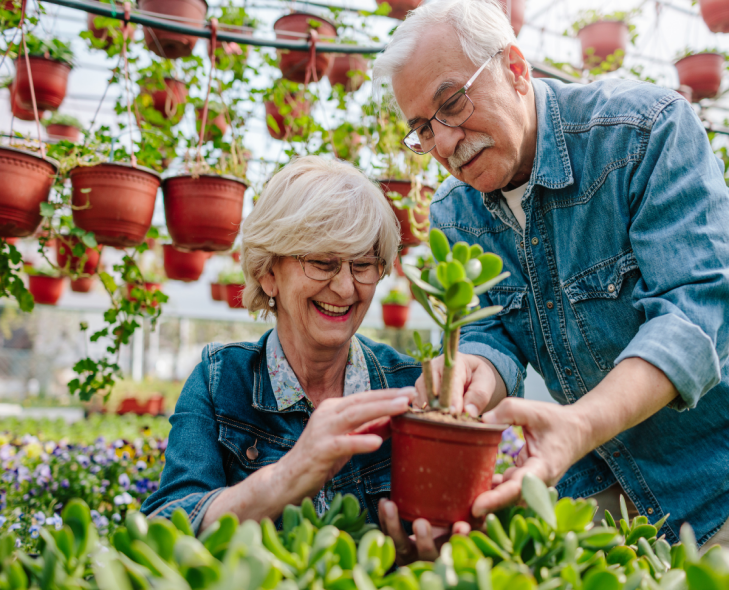
Some people who once ran along field paths in their youth can now evoke those distant yet warm memories simply by touching the soil with their hands. Some, who felt rootless in their new lives as immigrants, found the scent of “home” again when they planted their first coriander plant on their balcony. Many others, after losing their jobs, loved ones, or certain physical abilities, reconnected with the world by caring for a plant.
Horticultural therapy is not just about “growing things”; it is a process of reconnecting with the rhythm of life. It requires no expensive equipment or precise instructions, only sunlight, air, water, and a little patience. This simplicity and authenticity are precisely what the elderly crave most in their long lives: a sense of existence and being needed.
Late-Life Gardening Companionship: A Gentle Rhythm of Life
For many seniors, retirement feels like suddenly turning on a faucet—days become long, quiet, and even a bit empty. After a lifetime of busyness, they suddenly don’t know how to fill their days or their hearts. At this point, gardening becomes a gentle yet rhythmic companion. It’s unhurried, doesn’t require much physical effort, yet provides a daily dose of motivation and anticipation.
Planting is not about yield; it’s about participation.
Participating in the flow of sunlight, the breathing of the soil, and the entire journey of a flower from seedling to bloom. In this process, the elderly not only keep their bodies active but also find an outlet for their minds. Watering a young plant every day is like telling the world, “I still have the ability to care for others.”
This gentle labor also has many additional benefits:
- For the body: bending over, carrying water, and stretching your arms are all just the right amount of exercise;
- For emotions: Plants don’t rush you or blame you; they simply need your willingness to accompany them as they grow;
- For the family: The balcony becomes more vibrant, and the backyard becomes the favorite spot for grandchildren to take photos when they return;
- For relationships: Children see their elders’ positivity and dedication, which makes them feel more secure and touched.
Modern medicine has also confirmed that this feeling has “therapeutic effects.” According to a study published in the journal Environmental Health Perspectives, engaging in gardening activities three times a week can reduce cortisol
Overall, the therapeutic benefits of home gardening come from multiple sources:
It relaxes stiff bodies, gets joints moving, and provides moderate exercise for muscles;
It soothes lonely hearts, giving them a small task to complete each day, thereby adding anticipation and value to life;
It helps the elderly slow cognitive decline through the scents, textures, and colors of plants, stimulating the senses and keeping the brain active;
It creates shared topics for family conversations, enhancing intergenerational communication and emotional bonds, making the elderly feel needed and cared for.
This is not just about “growing flowers and plants”; it is a daily ritual that allows life to bloom slowly.
Gardening is the gentle persistence of culture
Healing is never just about restoring health; it is about rediscovering oneself. And this path home is sometimes hidden in a pot of bean sprouts, a lavender plant, or a row of quietly blooming old roses.
In different cultures, plants play different roles: some symbolize rebirth, others represent memories, and some convey blessings. But no matter where you are, gardening is always a way to slow down, connect with the land, and find inner peace.
Philosophical Reflection: From Herbs and Soil to Questions About Life
The process of caring for plants in gardening is a deep conversation—we water them, prune them, and see our own changes, migrations, and aging in them. When such behavior is intertwined with cultural beliefs, it becomes a microcosm of philosophical practice.
In some Eastern traditions, gardening symbolizes “going with the flow of nature,” seeking balance in change; in the West, it emphasizes “the contract between humans and nature,” where every act of planting and pruning is a response to natural laws. Regardless of cultural background, these practices point to one thing: human existence is meaningful, and even in old age, we can still contribute and feel.
Through plants and soil, the elderly rediscover a sense of control over life—you can choose what to plant, how much to prune, and how to arrange things. These small choices accumulate into a sense of self-identity and continuity. This is why many studies show that gardening can significantly reduce depression and existential anxiety.
More importantly, gardening itself is a prototype of faith. When you believe that a seed will grow, you already have a perspective that transcends the present moment. And the rhythm of “sowing—waiting—blooming” is actually remarkably consistent with our understanding of life, death, and rebirth.
Section IV: Animal-Assisted Companionship
Headline: Unconditional Bonds Content: The presence of a therapy animal can lower cortisol levels and alleviate the “isolation effect” often felt by immigrant families and those in long-term recovery. We provide research-backed guidance on how animal companionship can serve as a vital emotional anchor, offering silent support during the most difficult stages of rehabilitation.
Pet Suitability Self-Assessment: Which Animal Understands You Best?
Pets are not merely “optional companions”; they are healing catalysts and silent guardians. For the elderly, a suitable pet can alleviate physical and mental symptoms, enhance daily motivation, and even slow down the aging process. Choosing the right pet is far more important than simply “liking a certain type of animal.”
The following is a recommended pet matching chart based on different physical and mental conditions, combining medical and psychological research:
| Elderly Condition | Recommended Pets | Therapeutic Basis |
| Arthritis | Short-haired cats (e.g., British Shorthair) | Cats have a high body temperature and enjoy cuddling. Skin contact can promote blood flow to joint areas, helping to alleviate pain. |
| Depression | Corgis, Bichon Frises | Forced walks and interaction with dogs increase sunlight exposure and endorphin secretion, improving low mood and feelings of loneliness |
| Dementia | Robotic pet seal PARO | Approved by the Japanese Ministry of Health, Labor, and Welfare, effectively reduces the frequency of agitation episodes and nighttime anxiety, suitable for individuals with memory decline |
| Hearing impairment | Large dogs (such as Golden Retrievers) | After training, can alert to doorbells, approaching sounds, etc., serving as an informal service dog |
| Mobility impaired | Tropical fish in an aquarium | Color therapy, low maintenance, observing fish activity can reduce anxiety and blood pressure |
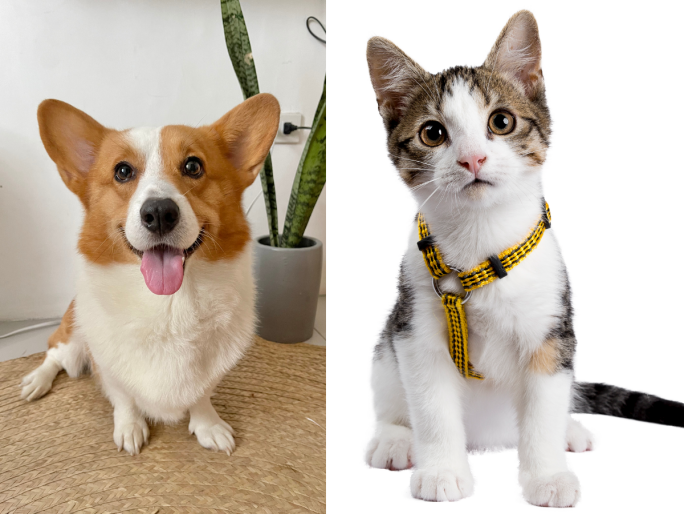
According to a study published in the British journal *Age and Ageing*, elderly individuals who walk their dogs for over 30 minutes daily have a 22% lower risk of falling and an 18% improvement in muscle endurance compared to the average population.
Bird Companionship: Hearing the Echoes of the Soul
If dogs are the rhythm of movement, then birds are the sound of flight. For many elderly people with hearing loss and low mood, a bird that sings, mimics, and even interacts with people is not just a pet—it is a living melody that plays every day.
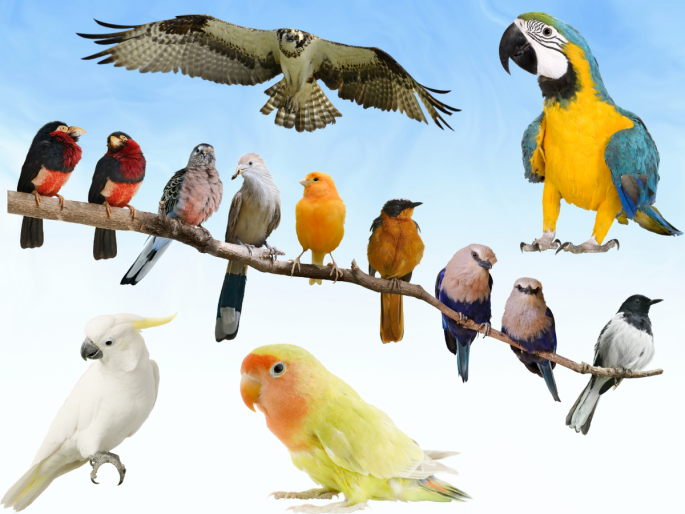
Not all birds are suitable as pets. Bird species that have been professionally trained and adapted to living with humans include:
| Bird Species | Characteristics | Suitable for |
| Budgerigar | Clear, melodious calls, easy to train to speak, highly interactive | Suitable for individuals with mild hearing loss and seniors who enjoy interaction |
| Canary | Frequent and gentle singing, low activity level | Suitable for quiet, elderly individuals living in apartments |
| Sun Parakeet | Vibrant colors, highly dependent, often seeks human interaction | Suitable for seniors who enjoy visual and auditory stimulation |
| Pigeons (domesticated breeds) | Low-pitched calls, calm and stable, do not make much noise | Suitable for seniors who prefer a quiet environment but still desire companionship |
Research indicates that seniors who listen to bird songs for 15 minutes or more daily have a 21% higher rate of maintaining auditory response abilities compared to non-bird owners, particularly in “directional sound recognition” and “volume changes.”
Bird walking: more lively than you imagine
Birdkeeping isn’t just about indoor observation. Many cities now have “bird enthusiast communities” promoting the use of “bird-walking bags” or “bird carriers” to take birds outdoors for sunbathing and walks. This not only helps birds get calcium but also allows owners to reconnect with social circles.
Section V: Patient Sanctuary – Empirical Observation Data
Introductory Note: The following case studies represent a synthesis of international clinical observations regarding non-pharmacological interventions. To ensure ethical compliance and protect personal privacy, all participants are identified via Unique Patient ID (UID) codes. These records demonstrate the transformative impact of integrated healing arts on life resilience and chronic condition management.
Clinical Observation Summary Table
| Patient ID | Primary Condition | Strategic Intervention | Clinical Observations & Outcomes | Resilience Index |
| P-001 | Early-stage Dementia | Acoustic & Olfactory: Personalized music therapy combined with lavender-based aromatherapy. | Significant reduction in cognitive “sundowning” symptoms; improved short-term memory recall and sleep stability. | +35% |
| P-002 | Advanced Parkinson’s | Rhythmic Auditory Stimulation: Specialized gait-synchronized acoustic frequencies. | Enhanced motor coordination; 30% reduction in “freezing of gait” episodes during daily mobility exercises. | +28% |
| P-003 | Cancer Rehabilitation | Horticultural & Narrative: Integrated garden therapy and life-history documentation. | Measurable decrease in post-chemotherapy fatigue; reconstructed sense of self-worth and future orientation. | +42% |
| P-004 | Chronic Geriatric Depression | Animal-Assisted Support: Structured interaction cycles with therapy birds and emotional support animals. | Notable decrease in serum cortisol levels; transition from social isolation to active community engagement. | +40% |
| P-005 | Post-Stroke Impairment | Creative Arts Therapy: Fine motor skill rehabilitation through painting and sculptural creation. | Accelerated neural plasticity; improved hand-eye coordination and emotional expression via non-verbal channels. | +31% |
| P-006 | Severe Cognitive Decline | Intergenerational Mentorship: Technology-based social interaction with youth volunteers. | Delayed progression of cognitive atrophy; significant improvement in mood and verbal communication frequency. | +37% |
Analytical Synthesis of Outcomes
Community-Based Resilience: As seen in P-004 and P-006, the transition from a “patient” identity to a “community contributor” is the most critical factor in life value reconstruction. This supports the mission of the Patient Sanctuary as a digital harbor for collective strength.
Neuro-Acoustic Impact: Cases P-001 and P-002 prove that sound frequencies act as a “neural metronome,” helping patients regain biological rhythms that were previously disrupted by neurological decay.
Sensory Integration: The success of P-001 and P-005 highlights that engaging multiple senses (scent, touch, and sight) bypasses damaged cognitive pathways, allowing for emotional stabilization and functional recovery.
Section VI: Patient Interaction Center
Community Wisdom: Patient Experience Ledger
Real-world insights are the cornerstone of life resilience. This platform is a collaborative space where members can document and share their personal healing journeys. Whether it involves specific nutritional adjustments, daily physical exercise, or the therapeutic effects of music and arts, every shared experience contributes to our collective understanding of recovery. By archiving these lived narratives, we transform individual struggles into a shared database of hope and practical strategies for families navigating similar challenges.
LRC Intelligence: Your Digital Wellness Concierge
Navigation through chronic recovery requires instant, reliable information. Our AI Wellness Concierge is an advanced, knowledge-based assistant trained to provide immediate guidance on non-pharmacological interventions. Integrating years of research from the Literary Research Center, this digital secretary is available 24/7 to answer your questions regarding life education, emotional support, and the implementation of healing arts. Simply input your query to receive science-backed, compassionate insights tailored to your resilience journey.